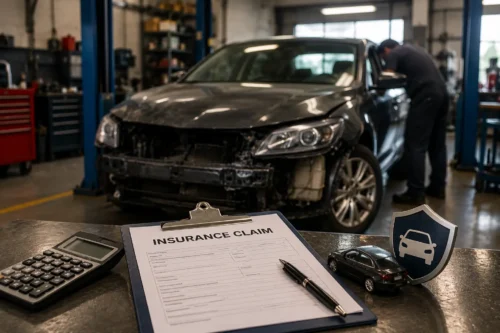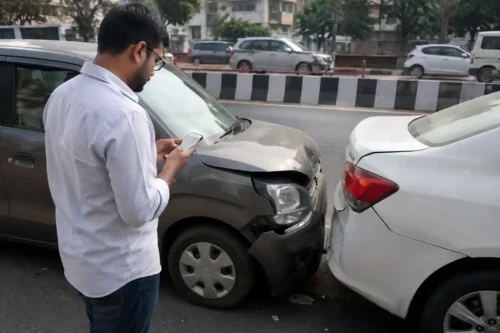
Vehicle Insurance in India is essential for protecting your bike, car, taxi, truck, or commercial vehicle against accidents, theft, natural disasters, and third-party liabilities.
Unfortunately, many vehicle owners discover the importance of insurance only when an accident occurs or when they file a claim. At that point, they often realize that the policy they purchased may not provide the protection they expected.
Vehicle insurance is much more than a legal requirement. It is financial protection that helps safeguard your savings from unexpected repair bills, theft losses, third-party liabilities, and natural disasters.
- Protects against accident-related expenses
- Provides theft protection
- Offers legal compliance
- Covers third-party liabilities
- Helps reduce financial stress
- Supports business continuity for commercial vehicles
- Provides peace of mind while driving
- Protects valuable assets
What Is Vehicle Insurance?
Vehicle insurance is a contract between the vehicle owner and an insurance company. In exchange for a premium, the insurer agrees to provide financial protection against specified risks and losses.
| Feature | Description |
|---|---|
| Purpose | Financial Protection |
| Coverage | Vehicle and Liability Risks |
| Protection | Accident, Theft, Fire, Natural Disasters |
| Legal Requirement | Third-Party Insurance Mandatory |
| Claim Support | As per Policy Terms |
Why Vehicle Insurance Has Become More Important Than Ever
Vehicle repair costs have increased significantly in recent years. Modern vehicles contain expensive electronics, sensors, cameras, and advanced safety systems. Even a minor accident can result in substantial repair expenses.
Major Risks Vehicle Owners Face
- Road accidents
- Vehicle theft
- Flood damage
- Fire incidents
- Cyclones and storms
- Third-party property damage
- Third-party injury liabilities
- Unexpected repair costs
Impact of Rising Vehicle Repair Costs
Many vehicle owners underestimate how expensive repairs can become. Inflation affects spare parts, labor charges, and service costs.
| Repair Type | Approximate Cost Impact |
|---|---|
| Bike Body Panels | Moderate to High |
| Car Bumpers | High |
| Headlamps | High |
| Sensors & Electronics | Very High |
| Engine Repairs | Extremely High |
Do not buy insurance based only on premium. Always compare coverage, add-ons, claim support, exclusions, and insurer reputation before making a decision.
How Vehicle Insurance Works
Vehicle insurance follows a simple process. The policyholder pays a premium, coverage begins, and the insurer provides financial support for covered losses according to policy conditions.
Typical Insurance Journey
- Purchase insurance policy
- Pay premium
- Coverage becomes active
- Accident or insured event occurs
- Claim is reported
- Survey and assessment completed
- Claim settled as per policy terms
Key Benefits of Vehicle Insurance
1. Financial Protection
Insurance helps reduce the financial burden caused by accidents and repairs.
2. Legal Compliance
Third-party insurance is mandatory for vehicles operating on public roads.
3. Third-Party Liability Protection
Protects against liabilities arising from injury or damage caused to others.
4. Own Damage Protection
Comprehensive insurance can provide protection for your own vehicle.
5. Peace of Mind
Knowing that you are financially protected allows you to drive with greater confidence.
Types of Vehicle Insurance in India
Third-Party Insurance
The minimum legally required insurance policy. Covers liabilities towards third parties but does not cover damage to your own vehicle.
Comprehensive Insurance
Provides broader protection including third-party liability and own damage coverage.
Standalone Own Damage Insurance
Designed for vehicle owners who already have third-party coverage and want separate protection for their own vehicle.
| Insurance Type | Coverage Level |
|---|---|
| Third-Party | Basic Legal Protection |
| Comprehensive | Broad Protection |
| Own Damage | Vehicle Damage Protection |
Best Vehicle Insurance Companies in India
Several insurance companies in India offer motor insurance solutions for bikes, cars, and commercial vehicles. While policy features may vary between insurers, the primary objective remains the same: protecting vehicle owners from unexpected financial losses.
The ideal insurance company depends on factors such as claim support, network garages, add-on availability, customer service, and policy flexibility.
| Insurance Company | Popular Motor Insurance Solution | Primary Strength |
|---|---|---|
| ICICI Lombard | Motor Insurance | Extensive Garage Network |
| HDFC ERGO | Motor Insurance | Strong Digital Claims Support |
| Tata AIG | Motor Insurance | Comprehensive Add-On Options |
| Bajaj Allianz | Motor Insurance | Wide Coverage Options |
| Reliance General | Motor Insurance | Competitive Premiums |
| Digit Insurance | Motor Insurance | Simple Claim Process |
| New India Assurance | Motor Insurance | Public Sector Experience |
| Oriental Insurance | Motor Insurance | Commercial Vehicle Expertise |
Vehicle owners should compare multiple insurers before purchasing a policy. Premium should never be the only deciding factor. Coverage quality, claim support, and policy benefits are equally important.
A cheaper insurance policy is not always the better option. Saving a few hundred rupees on premium may result in reduced protection during a claim.
How to Choose the Best Vehicle Insurance Policy
Selecting the right vehicle insurance policy requires more than comparing premium amounts. A good policy should provide balanced protection, reliable claim support, and suitable add-on benefits.
1. Evaluate Coverage Carefully
Always understand what is covered and what is excluded before purchasing a policy.
2. Compare Multiple Insurance Companies
Different insurers offer different features, claim experiences, and service standards.
3. Check Cashless Garage Availability
A large cashless garage network can make claim settlement smoother and more convenient.
4. Review Add-On Covers
Add-ons can significantly improve the quality of protection provided by a policy.
5. Verify Claim Support Process
Understanding the claim procedure before buying helps avoid confusion later.
Understanding IDV (Insured Declared Value)
One of the most important concepts in vehicle insurance is IDV, also known as Insured Declared Value.
IDV represents the approximate current market value of the vehicle and forms the basis for total loss and theft claim settlements.
| IDV Factor | Impact |
|---|---|
| Higher IDV | Higher Coverage Potential |
| Lower IDV | Lower Premium but Reduced Protection |
| Vehicle Age | Influences IDV Calculation |
| Depreciation | Reduces IDV Over Time |
Many vehicle owners focus only on premium and ignore IDV. However, selecting an unnecessarily low IDV may affect claim settlements during total loss situations.
Always review the IDV mentioned in your policy schedule and ensure it reasonably reflects your vehicle's value.
Impact of Inflation on Vehicle Repair Costs
Vehicle repair expenses continue to rise due to inflation, increasing labor charges, advanced technology, and higher spare-part costs.
Modern vehicles contain sensors, electronic control modules, cameras, and sophisticated safety systems that can significantly increase repair bills.
| Component | Repair Cost Trend |
|---|---|
| Body Panels | Increasing |
| Headlights | Increasing |
| Electronic Components | Rapidly Increasing |
| Sensors & Cameras | High Cost |
| Engine Components | Very High Cost |
Zero Depreciation Cover Explained
One of the most important add-ons in vehicle insurance is Zero Depreciation Cover, commonly known as Zero Dep, Nil Depreciation Cover, or Bumper-to-Bumper Cover.
Unfortunately, many vehicle owners discover its importance only after filing a claim. They assume they have full insurance coverage, but during claim settlement they learn that depreciation deductions have been applied to certain vehicle parts.
This often results in unexpected out-of-pocket expenses that could have been reduced with the right add-on cover.
What Is Depreciation?
Depreciation refers to the reduction in value of vehicle parts over time due to age, usage, and wear and tear.
During claim settlement, insurers may apply depreciation deductions on eligible parts according to policy terms and applicable guidelines.
As a result, the policyholder may have to bear part of the repair or replacement cost.
How Depreciation Affects Claims
Many vehicle owners assume that the insurer will pay the full replacement cost of damaged parts. However, under a standard policy, depreciation may be deducted before claim settlement.
| Situation | Without Zero Dep | With Zero Dep |
|---|---|---|
| Plastic Parts Damage | Depreciation May Apply | Better Claim Settlement |
| Fiber Components | Depreciation May Apply | Better Claim Settlement |
| Rubber Parts | Depreciation May Apply | Improved Protection |
| Repair Expenses | Higher Personal Contribution | Reduced Out-of-Pocket Cost |
This is why Zero Depreciation Cover is particularly valuable for new vehicles.
Before purchasing insurance, always ask whether Zero Depreciation Cover is included. Many buyers focus only on premium and later discover that depreciation deductions have affected their claim settlement.
Why New Bike Owners Should Consider Zero Dep
Modern motorcycles contain expensive plastic body panels, fairings, fiber components, and decorative parts. Even a minor accident can result in substantial repair costs.
For new bikes, Zero Depreciation Cover can provide valuable financial protection during the initial years of ownership.
Why New Car Owners Should Consider Zero Dep
Cars today contain advanced components such as sensors, cameras, electronics, LED lighting systems, and costly body parts.
Repair costs continue to rise, making Zero Depreciation Cover one of the most popular add-ons among car owners.
Types of Add-On Covers in Vehicle Insurance
Add-on covers are optional benefits that enhance the protection offered by a standard vehicle insurance policy.
While comprehensive insurance provides broad coverage, add-ons can help reduce financial exposure in specific situations.
| Add-On Cover | Purpose | Suitable For |
|---|---|---|
| Zero Depreciation | Reduce Depreciation Impact | New Vehicles |
| Engine Protection | Engine Damage Protection | Flood-Prone Areas |
| Roadside Assistance | Emergency Help | Frequent Travelers |
| Return to Invoice | Higher Financial Protection | New Vehicles |
| Consumables Cover | Consumable Expenses | Comprehensive Protection |
| Key Replacement | Key Loss Protection | Modern Vehicles |
| NCB Protection | Protect Bonus Benefits | Claim-Free Owners |
| Tyre Protection | Tyre Damage Protection | Premium Vehicles |
1. Zero Depreciation Cover
Zero Depreciation Cover is one of the most recommended add-ons for new vehicles because it helps reduce depreciation-related deductions during claim settlement.
- Popular for new bikes and cars
- Helps improve claim settlement
- Reduces out-of-pocket expenses
- Suitable during early ownership years
2. Engine Protection Cover
Engine repairs can be extremely expensive. Certain engine damages caused by water ingress, flooding, or lubrication-related issues may require additional protection beyond standard coverage.
Engine Protection Cover is particularly useful in areas prone to heavy rainfall and flooding.
- Protection against specific engine-related risks
- Helpful during flooding situations
- Useful for premium vehicles
- Can reduce major repair expenses
3. Roadside Assistance Cover
Roadside Assistance provides support during vehicle breakdowns and emergencies.
- Battery jump-start assistance
- Flat tyre assistance
- Fuel delivery support
- Towing assistance
- Minor roadside repairs
This cover can be particularly useful for people who travel frequently or drive long distances.
4. Return to Invoice Cover
Return to Invoice Cover is designed to provide enhanced financial protection in certain total loss or theft situations, subject to policy terms.
This add-on is especially popular among owners of newly purchased vehicles.
- Useful for new vehicles
- Additional financial protection
- Helps reduce depreciation impact during total loss situations
- Often recommended for high-value vehicles
5. Consumables Cover
Vehicle repairs often require consumable items that may not always be covered under standard policies.
Consumables Cover helps provide protection for certain repair-related consumables as specified in the policy.
- Engine oil
- Brake oil
- Coolant
- Grease and lubricants
- Other eligible consumables
6. Key Replacement Cover
Modern vehicles often use smart keys and advanced locking systems that can be expensive to replace.
Key Replacement Cover helps manage expenses associated with lost, damaged, or stolen keys as per policy conditions.
- Useful for smart key vehicles
- Reduces replacement expenses
- Popular among premium vehicle owners
7. Personal Accident Cover
Personal Accident Cover provides financial protection against accidental injury or death of the insured person according to policy terms and coverage limits.
- Personal protection
- Financial support during emergencies
- Important risk management feature
8. Passenger Cover
Passenger Cover extends protection to occupants traveling in the vehicle, subject to policy terms and limits.
- Additional passenger protection
- Suitable for family vehicles
- Enhanced overall coverage
9. NCB Protection Cover
NCB stands for No Claim Bonus. Policyholders who do not make claims may earn premium discounts at renewal.
NCB Protection Cover helps preserve these benefits under specified conditions.
- Protects accumulated bonus benefits
- Useful for long-term policyholders
- Can improve renewal savings
10. Tyre Protection Cover
Tyres can be expensive, particularly for premium cars and commercial vehicles.
Tyre Protection Cover provides additional protection for eligible tyre-related damages as specified by the policy.
- Useful for premium vehicles
- Additional tyre protection
- Can reduce replacement expenses
Many people buy insurance based only on the lowest premium. Later, during a claim, they realize important add-ons such as Zero Depreciation, Engine Protection, or Roadside Assistance were not included. Always review the policy schedule carefully before making payment.
Bike Insurance Explained
Two-wheelers are one of the most popular modes of transportation in India. From daily commuting to long-distance travel, bikes and scooters play an important role in everyday life.
While bikes are generally more affordable than cars, repair costs can still be significant after an accident. Modern motorcycles often contain expensive body panels, alloy wheels, LED lighting systems, digital instrument clusters, and advanced components that can increase repair expenses.
Bike insurance helps protect owners from unexpected financial losses arising from accidents, theft, fire, natural disasters, and third-party liabilities.
What Bike Insurance Covers
- Accidental damage
- Theft of vehicle
- Fire damage
- Natural disasters
- Third-party liabilities
- Personal accident coverage as applicable
| Coverage Type | Protection Offered |
|---|---|
| Accident Damage | Vehicle Repair Support |
| Theft | Financial Compensation as per Policy |
| Fire | Fire-Related Damage Protection |
| Natural Disasters | Floods, Storms, Cyclones |
| Third-Party Liability | Legal Protection |
Many bike owners focus only on the premium amount while purchasing insurance. Always check whether Zero Depreciation Cover, Roadside Assistance, and Personal Accident Cover are included before making a decision.
Car Insurance Explained
Cars have become increasingly sophisticated with advanced safety systems, sensors, cameras, electronic control modules, and expensive replacement parts.
As repair costs continue to rise, having the right insurance coverage has become more important than ever.
A comprehensive car insurance policy helps protect vehicle owners from a wide range of financial risks while providing peace of mind on the road.
Why Car Insurance Is Important
- Protects against costly repairs
- Provides theft protection
- Offers third-party liability coverage
- Supports financial stability after accidents
- Helps manage unexpected expenses
| Vehicle Component | Typical Repair Cost Impact |
|---|---|
| Bumper Assembly | Moderate to High |
| Headlamp Unit | High |
| Sensor Systems | High |
| Alloy Wheels | Moderate |
| Engine Components | Very High |
For new cars, add-ons such as Zero Depreciation Cover, Engine Protection Cover, Return to Invoice Cover, and Roadside Assistance are often considered valuable enhancements.
Commercial Vehicle Insurance Explained
Commercial vehicles play a critical role in transportation, logistics, goods movement, passenger transport, and business operations across India.
Unlike personal vehicles, commercial vehicles generate income. Any accident, breakdown, or major repair can result not only in repair costs but also in business interruption and loss of revenue.
Commercial vehicle insurance helps protect business owners against these financial risks.
Types of Commercial Vehicles
- Goods carriers
- Trucks
- Mini trucks
- School buses
- Passenger buses
- Taxis and cabs
- Delivery vehicles
- Special purpose vehicles
| Commercial Vehicle Type | Primary Use |
|---|---|
| Goods Carrier | Transport of Goods |
| Taxi | Passenger Transportation |
| Bus | Mass Passenger Movement |
| Delivery Vehicle | Business Deliveries |
| Truck | Heavy Cargo Transport |
For commercial vehicle owners, insurance is not just vehicle protection. It is business protection. Even a few days of downtime can directly impact revenue and profitability.
Showroom Insurance vs Outside Insurance
One of the most common misconceptions among vehicle buyers is that insurance purchased from a showroom automatically provides better claim support.
In reality, claims are processed according to the policy terms and conditions, not based on where the policy was purchased.
Whether the policy is purchased through a showroom, insurance advisor, insurance company, or online platform, claim settlement depends on the coverage mentioned in the policy document.
| Factor | Showroom Insurance | Outside Insurance |
|---|---|---|
| Convenience | High | Moderate |
| Policy Comparison | Limited | More Flexible |
| Coverage Options | Depends on Insurer | Multiple Choices |
| Premium Comparison | Limited | Easier to Compare |
| Claim Settlement | As per Policy Terms | As per Policy Terms |
Always ask for the complete policy schedule before making payment. Review the IDV, add-ons, exclusions, and coverage details carefully. Never assume that a policy provides full protection simply because it was arranged by the showroom.
Common Mistakes Vehicle Owners Make
Many claim-related issues arise because vehicle owners overlook important details while purchasing insurance.
- Choosing insurance based only on premium
- Ignoring Zero Depreciation Cover
- Not checking IDV
- Failing to review exclusions
- Ignoring add-on covers
- Not understanding claim procedures
- Delaying claim intimation
- Assuming comprehensive insurance covers everything
- Not comparing multiple insurers
- Failing to renew policies on time
Claim Settlement Process
Understanding the claim process helps vehicle owners respond quickly and correctly when an accident occurs.
Step 1: Inform the Insurance Company
Notify the insurer as soon as possible after the incident.
Step 2: Submit Required Information
Provide policy details, vehicle details, photographs, and other necessary documents.
Step 3: Vehicle Inspection
The insurer may appoint a surveyor to assess the damage.
Step 4: Repair Approval
Repairs are approved according to policy conditions and assessment findings.
Step 5: Claim Settlement
The claim is settled according to the policy coverage, deductibles, and applicable terms.
| Claim Stage | Purpose |
|---|---|
| Intimation | Notify Insurer |
| Documentation | Provide Evidence |
| Survey | Assess Damage |
| Approval | Authorize Repairs |
| Settlement | Process Claim |
Common Reasons Claims Get Rejected
Although most genuine claims are processed according to policy terms, certain situations can lead to claim rejection.
- Driving without a valid licence
- Driving under the influence of alcohol
- Using a private vehicle for commercial purposes
- Policy expiry before the incident
- Providing incorrect information
- Failure to inform the insurer promptly
- Fraudulent claims
- Violation of policy conditions
Always keep your policy active, maintain accurate documentation, and inform the insurer immediately after an accident. Following policy procedures can help ensure a smoother claim experience.
Vehicle Insurance Checklist Before Buying a Policy
Purchasing vehicle insurance should never be a rushed decision. Whether you are buying insurance for a bike, car, taxi, truck, or commercial vehicle, reviewing a few key points before making payment can help avoid future surprises.
Use the following checklist before purchasing any vehicle insurance policy.
| Checklist Item | Status |
|---|---|
| Compare Multiple Insurance Companies | ✓ |
| Review IDV Carefully | ✓ |
| Check Add-On Covers | ✓ |
| Verify Zero Depreciation Cover | ✓ |
| Review Policy Exclusions | ✓ |
| Check Cashless Garage Network | ✓ |
| Understand Claim Process | ✓ |
| Verify Personal Accident Cover | ✓ |
| Check Policy Validity | ✓ |
| Read Policy Schedule Carefully | ✓ |
Never purchase vehicle insurance based solely on the premium amount. Focus on coverage quality, claim support, add-on benefits, and insurer reputation. A slightly higher premium may provide significantly better protection during a claim.
Frequently Asked Questions (FAQs)
1. Is vehicle insurance mandatory in India?
Yes. At least third-party motor insurance is mandatory for vehicles operating on public roads in India.
2. What is the difference between third-party and comprehensive insurance?
Third-party insurance covers liabilities towards others, while comprehensive insurance provides broader protection that can include damage to your own vehicle.
3. What is Zero Depreciation Cover?
Zero Depreciation Cover is an add-on that helps reduce the impact of depreciation deductions on eligible parts during claim settlement.
4. Is Zero Dep Cover worth it for a new vehicle?
Many vehicle owners consider Zero Depreciation Cover beneficial during the initial years of ownership because repair costs can be substantial.
5. What is IDV in vehicle insurance?
IDV stands for Insured Declared Value and represents the approximate market value of the vehicle for insurance purposes.
6. What happens if my vehicle is stolen?
If the policy includes theft coverage and claim requirements are satisfied, compensation may be provided according to policy terms.
7. What is a cashless garage?
A cashless garage is a network garage where eligible repairs can be settled directly between the insurer and the garage according to policy conditions.
8. What is Roadside Assistance Cover?
Roadside Assistance helps during emergencies such as breakdowns, flat tyres, towing requirements, and battery issues.
9. Can I transfer my vehicle insurance when selling a vehicle?
Insurance transfer procedures are available and should be completed according to insurer requirements and applicable regulations.
10. What is NCB?
NCB stands for No Claim Bonus, a reward provided to policyholders who do not make claims during the policy period.
11. Can a claim affect my No Claim Bonus?
In many situations, making a claim can affect NCB benefits unless specific protection options are available.
12. Is Engine Protection Cover important?
Engine Protection Cover can be valuable in areas prone to flooding or waterlogging because engine repairs can be costly.
13. Can I buy insurance online?
Yes. Vehicle insurance can be purchased online, through insurance advisors, insurers, aggregators, and other authorized channels.
14. Does comprehensive insurance cover everything?
No. Comprehensive insurance provides broad protection, but certain benefits may require additional add-on covers.
15. How often should I review my vehicle insurance policy?
Review your policy during every renewal to ensure that coverage remains appropriate for your needs.
Final Thoughts
Vehicle insurance is one of the most important financial protections a vehicle owner can have. Whether you own a bike, car, taxi, truck, delivery vehicle, or commercial fleet, the right insurance policy can help protect you from unexpected financial losses.
Unfortunately, many vehicle owners focus only on premium amounts and ignore critical factors such as coverage quality, claim support, IDV, exclusions, and add-on covers.
The true value of an insurance policy is often realized during a claim. That is why understanding your policy before purchasing it is essential.
Take time to compare insurers, review policy features, understand claim procedures, and select appropriate add-ons. A well-chosen policy can provide peace of mind and valuable financial protection for years to come.
Your vehicle is more than just a mode of transportation. It is an important asset that deserves proper protection. Investing a little extra time while choosing insurance can save significant money and stress in the future.
Conclusion
Vehicle insurance is an essential part of responsible vehicle ownership. From protecting against accidents and theft to managing third-party liabilities and unexpected repair costs, the right insurance policy provides valuable financial security.
Understanding concepts such as third-party insurance, comprehensive coverage, IDV, Zero Depreciation Cover, Engine Protection, Roadside Assistance, Return to Invoice Cover, and other add-ons can help vehicle owners make informed decisions.
Whether you are purchasing insurance for a bike, car, or commercial vehicle, always compare options carefully, review policy details, and select coverage based on protection rather than premium alone.
A well-informed insurance decision today can help protect your finances and your vehicle when you need it most.
Related Reading: Explore More Insurance Guides