Third-Party vs Comprehensive Vehicle Insurance is one of the most common questions vehicle owners face when purchasing or renewing a motor insurance policy.
A new car, a 5-year-old vehicle, and a 10-year-old vehicle have completely different insurance needs. The right choice depends on factors such as vehicle age, market value, repair costs, usage patterns, and your financial ability to handle unexpected expenses.
In this guide, we will compare Third-Party Insurance and Comprehensive Insurance using real-life examples so you can decide which option is best for your vehicle.
- New Vehicles (0-3 Years): Comprehensive Insurance is strongly recommended.
- Mid-Age Vehicles (3-7 Years): Comprehensive Insurance usually provides better value.
- Older Vehicles (8-10+ Years): The choice depends on vehicle value and usage.
- Third-Party Insurance is legally mandatory in India.
- Comprehensive Insurance provides broader financial protection.
Third-Party vs Comprehensive Vehicle Insurance: Key Differences
Most people focus on saving a few thousand rupees while purchasing insurance. However, a single accident can result in repair bills running into tens of thousands or even lakhs of rupees.
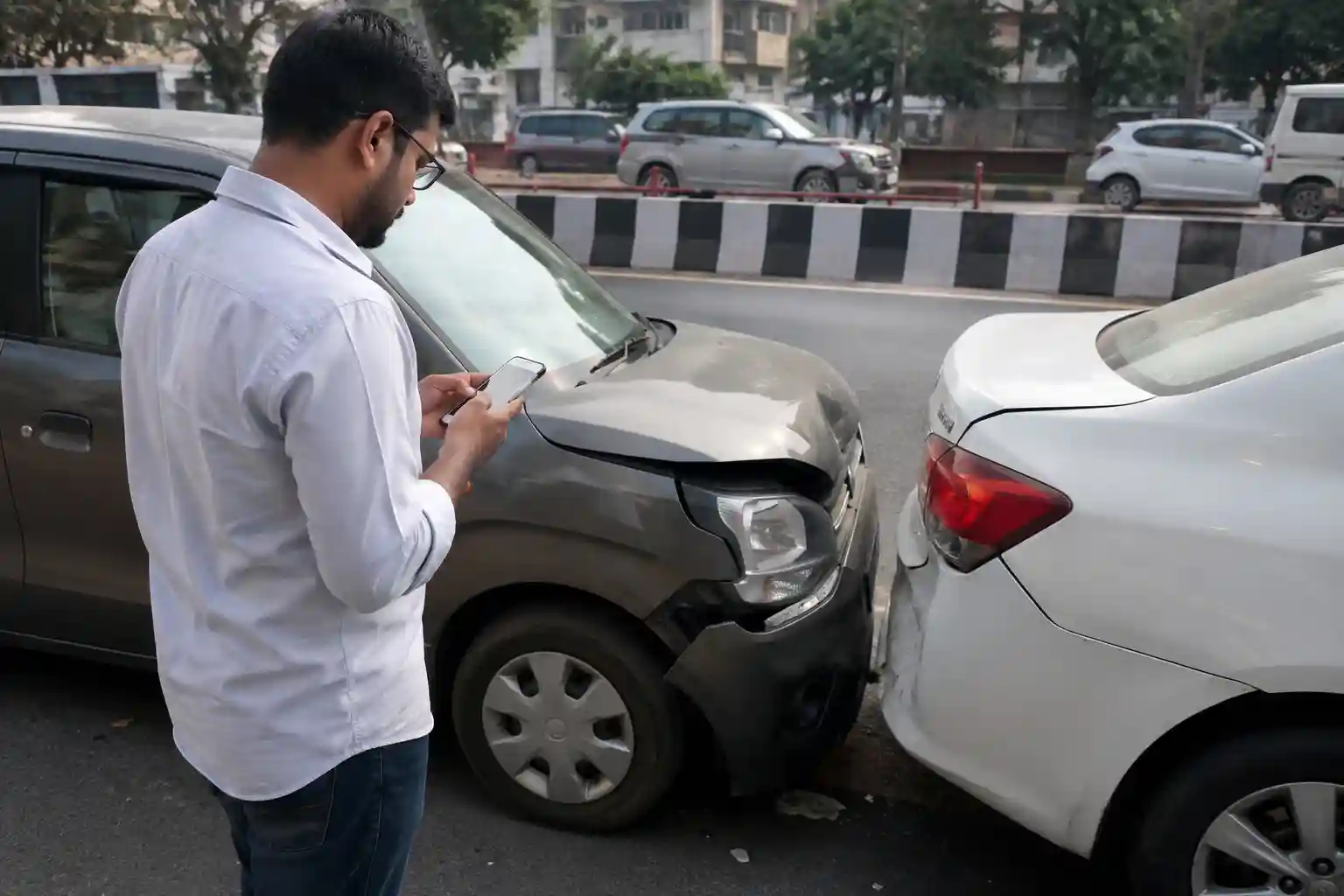
Modern vehicles are equipped with expensive bumpers, LED headlights, sensors, cameras, alloy wheels, electronic control systems, and advanced safety features. Even a minor accident can lead to surprisingly high repair costs.
The purpose of insurance is not just legal compliance. It is about protecting yourself from unexpected financial losses.
| Situation | Potential Financial Impact |
|---|---|
| Minor Accident | ₹10,000 to ₹50,000+ |
| Major Collision | ₹50,000 to Several Lakhs |
| Theft | Loss of Vehicle Value |
| Flood Damage | Extremely High Repair Costs |
| Third-Party Injury | Legal and Financial Liability |
What Is Third-Party Vehicle Insurance?
Third-Party Insurance is the minimum insurance cover required by law for vehicles operating on Indian roads.
This policy protects you against financial liabilities arising from injury, death, or property damage caused to another person due to your vehicle.
However, Third-Party Insurance does not cover damage to your own vehicle.
What Third-Party Insurance Covers
- Third-party property damage
- Third-party injury claims
- Third-party death compensation
- Legal liabilities arising from accidents
What Third-Party Insurance Does Not Cover
- Damage to your own vehicle
- Theft of your vehicle
- Flood damage
- Fire damage to your vehicle
- Own repair expenses
- Personal vehicle losses
You accidentally hit another bike at a traffic signal.
Third-Party Insurance may help cover the damages caused to the other person according to policy terms.
However, if your own car or bike is damaged, you will have to bear the repair expenses yourself.
What Is Comprehensive Vehicle Insurance?
Comprehensive Insurance offers broader protection than Third-Party Insurance.
It includes third-party liability protection while also providing coverage for damage to your own vehicle, subject to policy terms and conditions.
This is why comprehensive insurance is often preferred by vehicle owners who want stronger financial protection.
What Comprehensive Insurance Covers
- Third-party liabilities
- Accidental damage to your vehicle
- Theft protection
- Fire damage
- Flood and natural disaster damage
- Cyclone and storm damage
- Vandalism and malicious damage
- Additional protection through add-on covers
| Coverage Feature | Third-Party Insurance | Comprehensive Insurance |
|---|---|---|
| Third-Party Liability | ✔ | ✔ |
| Own Vehicle Damage | ✘ | ✔ |
| Theft Protection | ✘ | ✔ |
| Fire Damage | ✘ | ✔ |
| Flood Damage | ✘ | ✔ |
| Add-On Covers | Limited | Available |
Many vehicle owners choose Third-Party Insurance simply because it costs less. However, they often discover its limitations after facing a repair bill following an accident.
The Biggest Mistake Vehicle Owners Make
Many people compare only the premium amount while purchasing insurance.
For example:
- Third-Party Insurance Premium: ₹3,000
- Comprehensive Insurance Premium: ₹8,000
The owner saves ₹5,000 by choosing Third-Party Insurance.
But six months later, a minor accident causes ₹45,000 worth of damage to the vehicle.
Since own damage is not covered under Third-Party Insurance, the entire repair bill must be paid from personal savings.
The ₹5,000 premium saving suddenly becomes a ₹45,000 expense.
Scenario 1: New Vehicle (0-3 Years Old)
Imagine you have just purchased a brand-new car worth ₹12 lakh. The vehicle looks perfect, the paint shines, and every component is brand new.
Now imagine a minor accident damages the front bumper, grille, headlight, and bonnet.
Even though the accident may appear small, modern vehicle parts are expensive and repair bills can quickly become significant.
| Repair Item | Estimated Cost Impact |
|---|---|
| Front Bumper | High |
| LED Headlight | Very High |
| Bonnet Repair | Moderate to High |
| Paint Work | Moderate |
| Sensors & Electronics | Very High |
Without comprehensive insurance, the entire repair cost may have to be paid from your own pocket.
- Comprehensive Insurance
- Zero Depreciation Cover
- Engine Protection Cover
- Roadside Assistance Cover
- Return to Invoice Cover
When a vehicle is new, its market value is high. Even a small accident can create a large financial burden. This is why comprehensive insurance is usually considered the smarter choice during the first few years of ownership.
Scenario 2: 5-Year-Old Vehicle
Now consider a vehicle that is approximately five years old.
The vehicle has depreciated over time, but it still holds meaningful value and repair costs remain significant.
Many owners mistakenly assume that because the vehicle is no longer new, they should downgrade to Third-Party Insurance.
However, that is not always the best decision.
Priya owns a 5-year-old sedan with an approximate market value of ₹4 lakh.
A parking accident damages the door, side panel, and rear bumper.
Repair expenses reach ₹35,000.
With Third-Party Insurance, she pays the entire amount herself.
With Comprehensive Insurance, eligible repairs may be covered according to policy terms.
| Factor | 5-Year Vehicle |
|---|---|
| Vehicle Value | Moderate |
| Repair Cost Risk | High |
| Theft Risk | Still Exists |
| Flood Risk | Still Exists |
| Recommended Policy | Comprehensive |
For most vehicles between three and seven years old, comprehensive insurance continues to offer strong value because repair costs often remain much higher than the premium difference.
Scenario 3: 10-Year-Old Vehicle
Now let's consider a vehicle that is approximately ten years old.
The market value has reduced significantly, and the owner's priorities may change.
At this stage, insurance decisions become more personal and depend on how the vehicle is used.
Ramesh owns a 10-year-old hatchback with a market value of approximately ₹1 lakh.
The annual comprehensive premium is ₹7,000 while Third-Party Insurance costs ₹2,500.
Since the vehicle is used occasionally and repair costs are manageable, he may choose Third-Party Insurance.
| Situation | Recommended Option |
|---|---|
| Low Vehicle Value | Third-Party Insurance |
| Occasional Usage | Third-Party Insurance |
| Excellent Condition Vehicle | Comprehensive Insurance |
| Daily Long-Distance Usage | Comprehensive Insurance |
| High Theft Area | Comprehensive Insurance |
There is no universal answer for older vehicles. The right choice depends on vehicle condition, usage, and your ability to handle repair expenses.
Cost vs Risk Analysis
Many people compare only premiums and ignore potential losses.
| Insurance Type | Lower Premium | Financial Protection |
|---|---|---|
| Third-Party Insurance | ✔ | Limited |
| Comprehensive Insurance | Higher Premium | Broader Protection |
Saving ₹3,000 to ₹5,000 annually may seem attractive. However, one unexpected accident can easily create repair bills exceeding ₹30,000, ₹50,000, or even ₹1 lakh.
The higher your vehicle's value, the more important comprehensive insurance becomes.
The lower your vehicle's value, the more reasonable Third-Party Insurance may become.
When Third-Party Insurance May Be Enough
- Vehicle is more than 10 years old
- Vehicle value is very low
- You rarely use the vehicle
- You can comfortably afford repair costs
- You primarily want legal compliance
When Comprehensive Insurance Is Strongly Recommended
- New vehicle owners
- Vehicles under 7 years old
- High-value vehicles
- Daily commuters
- Vehicles parked outdoors
- Areas prone to floods or theft
- Owners seeking maximum financial protection
Common Mistakes Vehicle Owners Make
Many vehicle owners purchase insurance without fully understanding the coverage they are buying. This often leads to disappointment during claim settlement.
Avoiding the following mistakes can help you choose a policy that provides better financial protection when you need it most.
- Choosing insurance based only on premium
- Ignoring vehicle age and market value
- Not understanding policy exclusions
- Skipping important add-on covers
- Failing to compare multiple insurers
- Not reviewing IDV carefully
- Assuming comprehensive insurance covers everything
- Delaying policy renewal
- Ignoring claim settlement support
- Not checking cashless garage availability
Most vehicle owners spend weeks comparing cars and bikes before purchase, but spend only a few minutes selecting insurance. The wrong insurance decision can become far more expensive than choosing the wrong vehicle accessory.
The Hidden Cost of Choosing the Wrong Insurance
The biggest mistake is focusing only on premium savings.
Many people choose Third-Party Insurance because it costs less. While this saves money initially, it can become expensive when an accident occurs.
| Scenario | Premium Saved | Repair Cost | Actual Result |
|---|---|---|---|
| Choose Third-Party Instead of Comprehensive | ₹4,000 | ₹25,000 | ₹21,000 Net Loss |
| Minor Accident | ₹5,000 | ₹45,000 | ₹40,000 Net Loss |
| Flood Damage | ₹6,000 | ₹1,20,000 | Major Financial Burden |
| Vehicle Theft | ₹5,000 | Vehicle Value Lost | Huge Financial Loss |
Insurance should be viewed as financial protection, not simply as an annual expense.
Third-Party vs Comprehensive Insurance: Quick Comparison
| Feature | Third-Party Insurance | Comprehensive Insurance |
|---|---|---|
| Legal Requirement | ✔ | ✔ |
| Third-Party Liability | ✔ | ✔ |
| Own Vehicle Damage | ✘ | ✔ |
| Theft Protection | ✘ | ✔ |
| Fire Damage | ✘ | ✔ |
| Flood Protection | ✘ | ✔ |
| Add-On Covers | Limited | Available |
| Premium Cost | Lower | Higher |
| Financial Protection | Basic | Broad |
Expert Recommendations Based on Vehicle Age
| Vehicle Age | Recommended Insurance | Reason |
|---|---|---|
| 0-3 Years | Comprehensive + Zero Dep | Maximum Protection |
| 3-5 Years | Comprehensive | High Repair Costs |
| 5-7 Years | Comprehensive | Good Balance of Cost & Coverage |
| 7-10 Years | Depends on Usage | Evaluate Vehicle Value |
| 10+ Years | Third-Party or Comprehensive | Depends on Condition |
Never choose insurance based solely on premium. Choose insurance based on the amount of financial risk you are willing to take.
According to the Insurance Regulatory and Development Authority of India (IRDAI) , motor insurance helps provide financial protection against various vehicle-related risks.
Frequently Asked Questions (FAQs)
1. Is Third-Party Insurance mandatory in India?
Yes. Every vehicle operating on public roads must have at least Third-Party Insurance.
2. Which insurance is better for a new car?
Comprehensive Insurance is generally recommended for new vehicles because repair costs can be significant.
3. Does Third-Party Insurance cover my own vehicle damage?
No. It only covers liabilities towards third parties.
4. Does Comprehensive Insurance include Third-Party coverage?
Yes. Comprehensive Insurance includes Third-Party liability protection along with broader coverage.
5. Is Comprehensive Insurance worth the extra premium?
For most new and mid-age vehicles, the additional protection often outweighs the higher premium.
6. Does Comprehensive Insurance cover theft?
Yes, subject to policy terms and conditions.
7. Which insurance is best for a 5-year-old vehicle?
Comprehensive Insurance is generally recommended because repair costs remain substantial.
8. Can a 10-year-old vehicle have Comprehensive Insurance?
Yes. Many insurers continue to offer comprehensive coverage for older vehicles.
9. What is Zero Depreciation Cover?
An add-on that helps reduce depreciation deductions during claim settlement.
10. Is flood damage covered under Third-Party Insurance?
No. Flood protection is generally available under Comprehensive Insurance.
11. Is theft covered under Third-Party Insurance?
No. Theft coverage is generally available under Comprehensive Insurance.
12. What happens if I only buy Third-Party Insurance?
Your own vehicle losses will generally not be covered.
13. Which policy provides better peace of mind?
Comprehensive Insurance usually provides broader protection and greater financial confidence.
14. Can I switch from Third-Party to Comprehensive Insurance?
Yes. Coverage options can usually be changed at renewal, subject to insurer requirements.
15. Which insurance should I choose?
The answer depends on your vehicle's age, value, usage, and financial situation.
Final Thoughts
Third-Party Insurance and Comprehensive Insurance serve different purposes.
Third-Party Insurance helps satisfy legal requirements and protects against liabilities caused to others. Comprehensive Insurance goes much further by helping protect your own vehicle against accidents, theft, fire, floods, and various unexpected events.
A new vehicle, a 5-year-old vehicle, and a 10-year-old vehicle should not be treated the same. Insurance should evolve as your vehicle ages and its value changes.
The smartest insurance decision is not necessarily the cheapest one. It is the policy that provides the right level of protection for your specific situation.
Conclusion
If your vehicle is new or has substantial market value, Comprehensive Insurance is generally the better choice because it offers broader financial protection and helps reduce the impact of unexpected repair costs.
For older vehicles with low market value, Third-Party Insurance may be sufficient if you are comfortable handling repair expenses yourself.
Before purchasing any policy, compare coverage, claim support, IDV, add-on covers, and insurer reputation rather than focusing only on premium.
Remember, the goal of vehicle insurance is not just to save money today. It is to protect your finances when something unexpected happens tomorrow.
Related Reading: Complete Guide to Vehicle Insurance in India